ในยุคของการประมวลผลความหนาแน่นสูง ระบบระบายความร้อนด้วยอากาศแบบดั้งเดิมกำลังถูกแทนที่อย่างรวดเร็วด้วยสถาปัตยกรรมระบายความร้อนด้วยของเหลวขั้นสูง หัวใจสำคัญของการเปลี่ยนแปลงนี้คือหน่วยกระจายความเย็นของศูนย์ข้อมูล (CDU) ซึ่งเป็นส่วนประกอบระบบที่สำคัญที่รับผิดชอบในการส่งและควบคุมสารหล่อเย็นอย่างแม่นยำทั่วทั้งโครงสร้างพื้นฐานของเซิร์ฟเวอร์
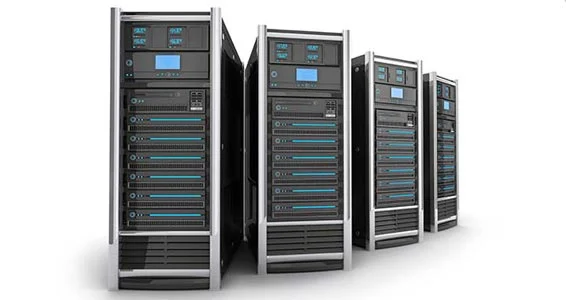
คำจำกัดความ: หน่วยกระจายความเย็น (CDU) สำหรับศูนย์ข้อมูลคืออะไร?
หน่วยกระจายความเย็น (CDU) เป็นอุปกรณ์กระจายความเย็นส่วนกลางในศูนย์ข้อมูลที่ใช้ระบบระบายความร้อนด้วยของเหลว โดยทำหน้าที่ส่งสารหล่อเย็น—ไม่ว่าจะเป็นน้ำหรือของเหลวที่มีฟลูออรีน—ไปยังแผ่นระบายความร้อน ถังระบายความร้อนแบบจุ่ม หรือบล็อกระบายความร้อนด้วยน้ำโดยตรงไปยังชิป CDU ช่วยให้มั่นใจได้ว่าการระบายความร้อนจะทำได้อย่างตรงจุดในระดับชิปหรือระดับแร็ค ช่วยเพิ่มประสิทธิภาพการระบายความร้อนและความน่าเชื่อถือในศูนย์ข้อมูลสมัยใหม่
ฟังก์ชันหลักของระบบ CDU
ระบบจ่ายสารหล่อเย็น: ควบคุมการไหลโดยใช้ปั๊มและวาล์วเพื่อให้มั่นใจได้ว่าการระบายความร้อนมีความสมดุลสำหรับเซิร์ฟเวอร์แต่ละเครื่อง
การควบคุมอุณหภูมิและความดัน: รักษาอุณหภูมิของสารหล่อเย็นให้อยู่ภายในช่วงความคลาดเคลื่อนที่แคบ (±0.5°C) และรักษาความดันให้คงที่เพื่อป้องกันการเกิดโพรงอากาศหรือการรั่วไหล
การออกแบบระบบสำรอง: ใช้การกำหนดค่าแบบปั๊มคู่และแหล่งจ่ายไฟคู่ เพื่อให้มั่นใจได้ว่ามีความพร้อมใช้งาน 99.999%
การตรวจสอบแบบเรียลไทม์: ผสานรวมกับระบบ DCIM เพื่อให้ข้อมูลแบบเรียลไทม์เกี่ยวกับอัตราการไหล อุณหภูมิ และสถานะการรั่วไหล
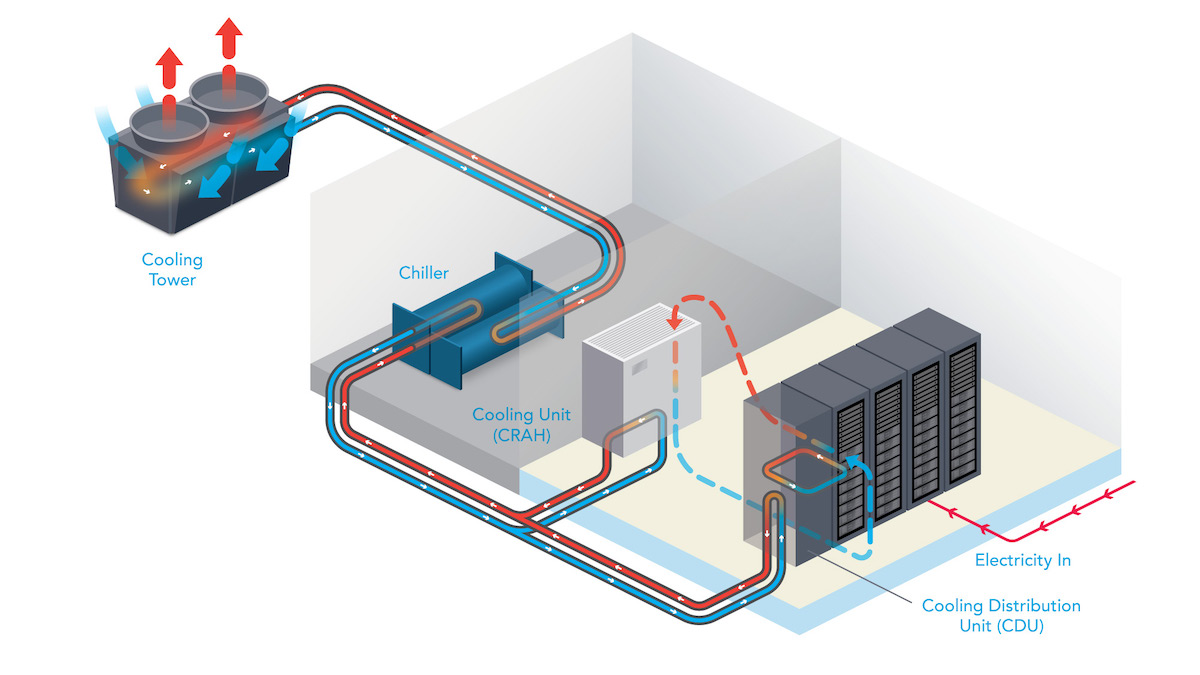
ประเภทของหน่วยกระจายความเย็นสำหรับศูนย์ข้อมูล
CDU ระดับแร็ค: ออกแบบมาสำหรับใช้งานในตู้เดียว รองรับกำลังการระบายความร้อน 30-100 กิโลวัตต์ เหมาะอย่างยิ่งสำหรับการติดตั้งใช้งานที่ปรับขนาดได้และยืดหยุ่น
หน่วยจ่ายไฟระดับแถว (Row-level cdu): ให้บริการตู้แร็คเซิร์ฟเวอร์ทั้งแถวด้วยกำลังไฟสูงสุด 500 กิโลวัตต์ เหมาะสำหรับคลัสเตอร์ประมวลผลความหนาแน่นสูง
CDU แบบจุ่ม: ออกแบบมาโดยเฉพาะสำหรับระบบระบายความร้อนแบบจุ่มเฟสเดียวหรือสองเฟส เข้ากันได้กับของเหลวที่มีฟลูออรีน เช่น 3M Novec
ข้อดีของระบบระบายความร้อนด้วยของเหลว CDU
สามารถลดค่าประสิทธิภาพการใช้พลังงาน (PUE) ลงได้ต่ำถึง 1.05 ซึ่งประหยัดพลังงานได้มากกว่า 30% เมื่อเทียบกับการระบายความร้อนด้วยอากาศ
รองรับปริมาณงานที่มีความหนาแน่นสูงมาก (เช่น 50 กิโลวัตต์ขึ้นไปต่อแร็คสำหรับเซิร์ฟเวอร์ AI หรือ GPU)
ทำงานเงียบสนิทด้วยการออกแบบ CDU แบบไร้พัดลม (<50db noise level).
application scenarios
supercomputing facilities (e.g., japan's fugaku)
ai training clusters (e.g., nvidia dgx a100)
edge data centers with compact cdu footprints
cold plates, heat sinks, and water blocks: the execution layer of cdu cooling
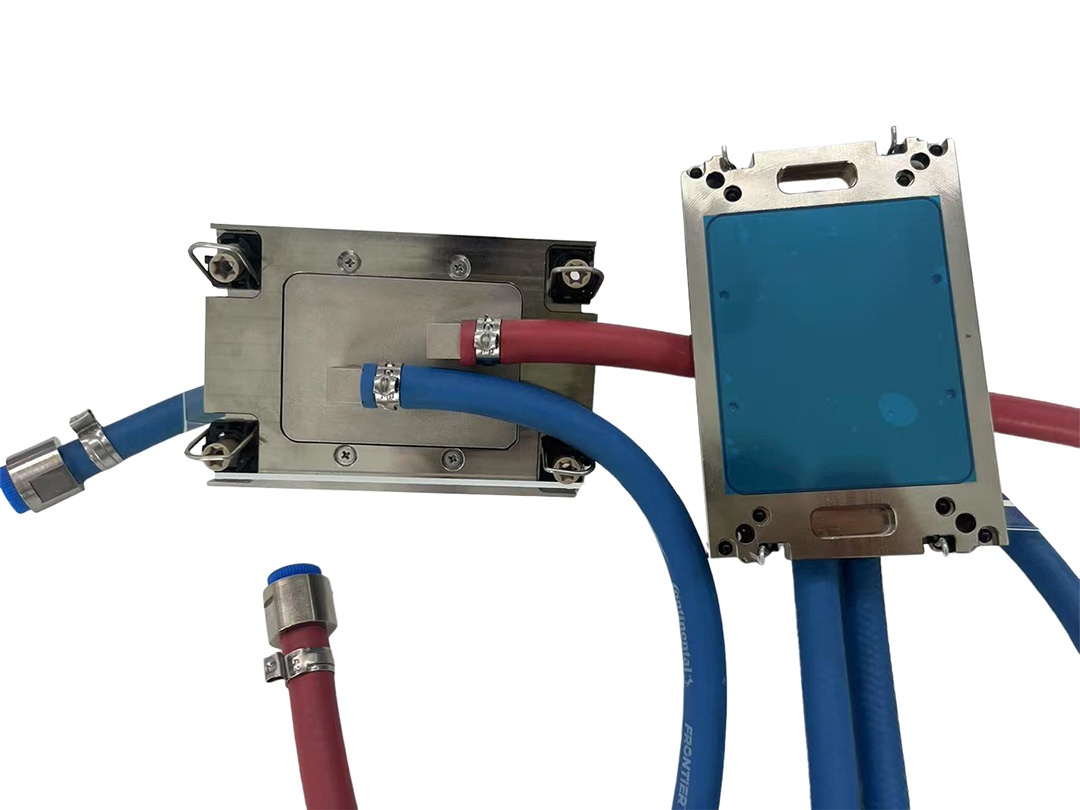
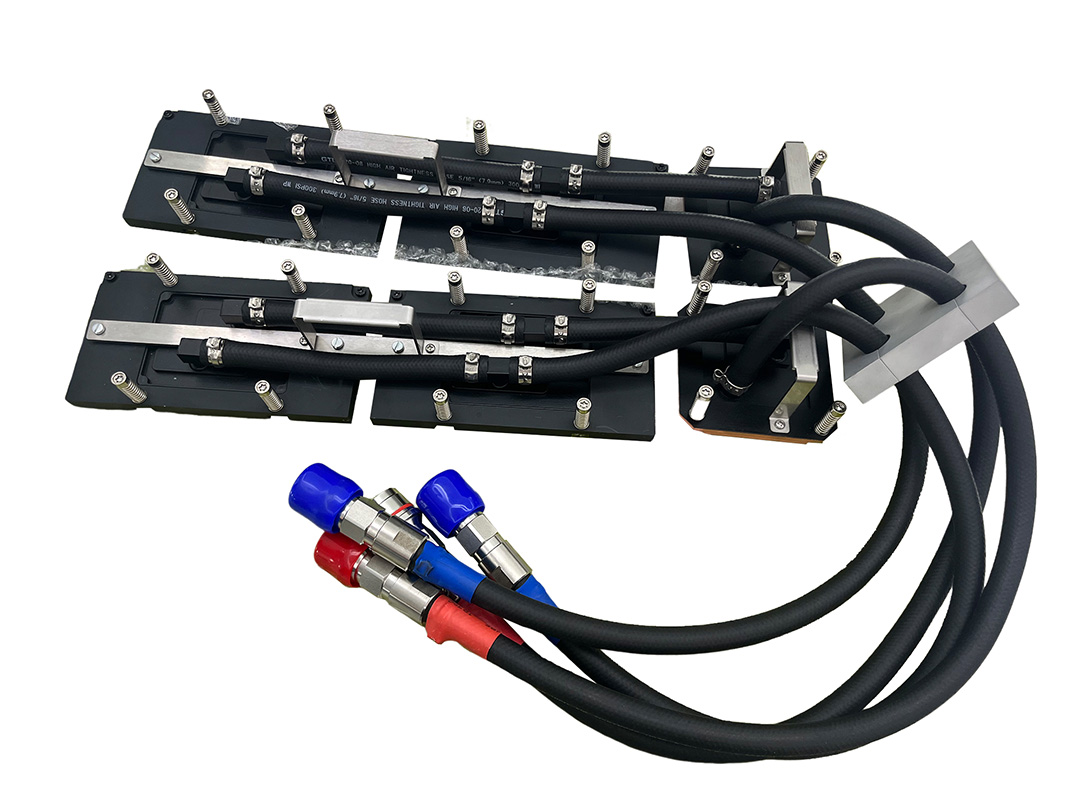
while the cdu serves as the command center for liquid flow, its true cooling potential is realized through its terminal components: cdu water-cooled cold plates, heat sinks, and water blocks. these components directly interface with heat-generating devices to execute efficient thermal transfer.
| component | cdu system role | application |
|---|
| cold plate | transfers coolant to chips via microchannels for precise heat removal | gpu/cpu-intensive racks, ai compute nodes |
| heat sink | provides secondary cooling to cdu's internal electronics | cdu control cabinet (pumps, psu modules) |
| water block | customized cooling of irregular thermal sources; connects with cdu pipes | hpc systems, supercomputing accelerators |
technical advantages vs. traditional air cooling
1. cold plates (cdu water plates)
extreme heat flux capacity: supports up to 500–1000w/cm², outperforming air cooling (50–100w/cm²).
surface uniformity: delivers thermal spread with <2°c delta across the plate, preventing local overheating.
smart cdu integration: built-in sensors feed real-time data to cdu controllers, enabling dynamic flow and temperature regulation.
2. heat sinks for cdu internal components
cdu self-cooling: ensures cdu reliability by passively cooling key electronics.
lightweight design: aluminum 6063 construction minimizes weight, ideal for rack-mount cdu units.
3. custom water blocks (cdu water block solutions)
complex shape compatibility: cnc or 3d-printed to match non-standard chip designs (e.g., nvidia h100).
low flow resistance: engineered water channels reduce cdu pump workload (pressure drop < 0.3 bar).
cdu-component synergy: smart thermal management
modern cdu liquid cooling systems are not standalone—they function in harmony with cold plates, heat sinks, and water blocks to form a dynamic, closed-loop thermal architecture. key highlights include:
dynamic flow tuning: cdu adjusts coolant delivery based on feedback from water plates or water blocks (e.g., via intel dcm protocol).
leak protection: quick-disconnect fittings (e.g., cpc, qd) on water blocks and cdu hoses ensure sealed, safe connections.
energy efficiency: combined cdu + cold plate architecture can achieve pue as low as 1.05, compared to 1.5+ for traditional systems.
real-world applications
google data center: utilizes cdus to distribute chilled water to rack-mounted water plates for tpu cooling.
tesla dojo supercomputer: employs cdu-integrated custom water blocks to manage 1mw per cabinet.
crypto mining farms: use aluminum cold plates + cdu instead of fans, reducing power consumption by 30%.
future trends in cdu-based cooling solutions
two-phase cdu cooling: uses phase-change fluids like liquid nitrogen to achieve 5x efficiency gains.
ai-driven cdu control: enables predictive adjustments in flow and temperature based on workload forecasting.
as the backbone of next-generation data center infrastructure, the data center cooling distribution unit (cdu)—along with advanced cdu water plates, heat sinks, and liquid cooling water blocks—will continue to evolve toward smarter, quieter, and more efficient thermal management solutions.
keyword summary: data center cooling distribution unit (cdu), cdu water plate, cdu water block, immersion cdu, rack-level cdu, cold plate, heat sink, liquid cooling system, full-chain liquid cooling, water-cooled server, ai liquid cooling.